Why are VR business not successful?
Why do we in the first place need VR?
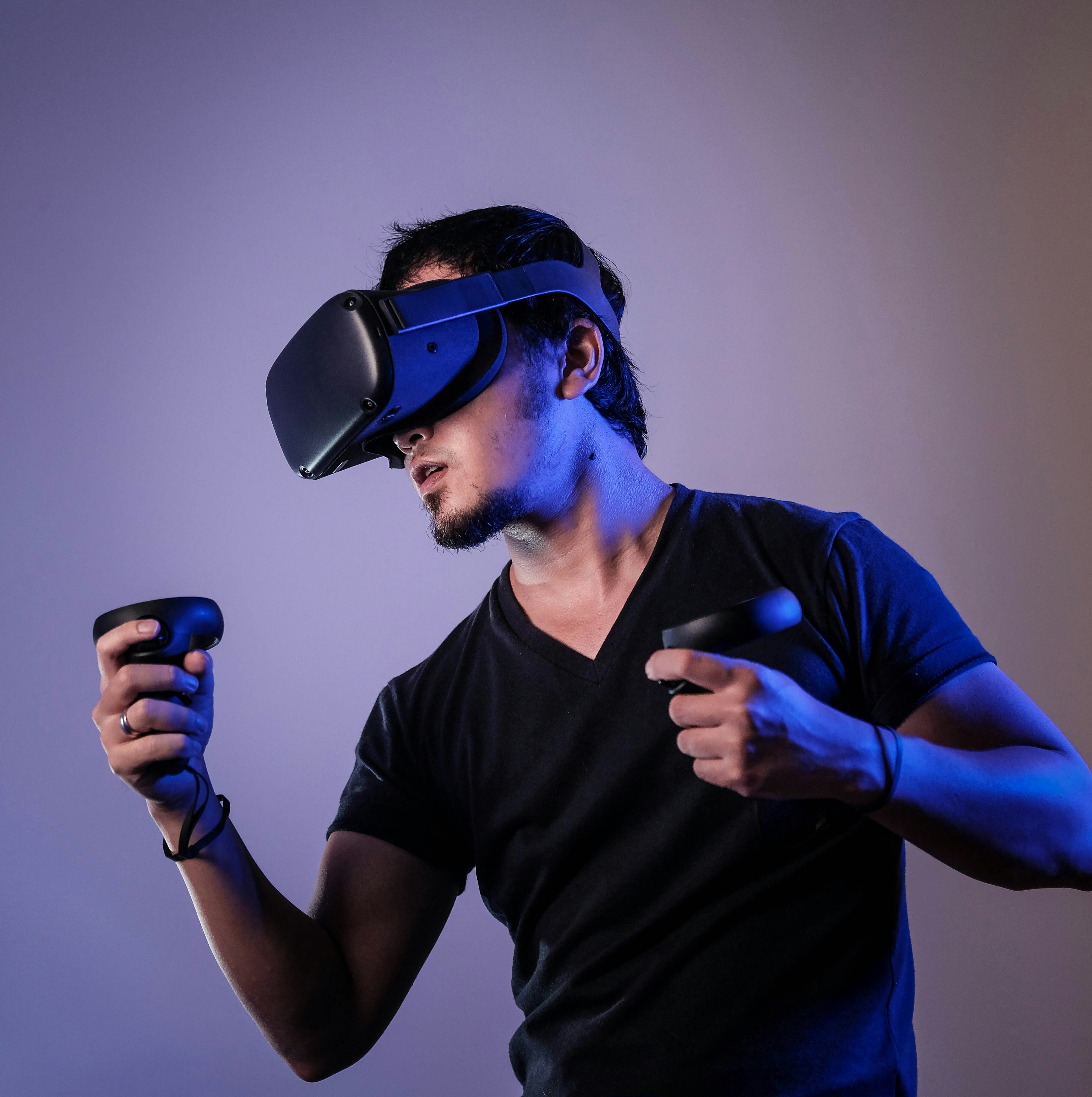
Why is VR interesting?
What was your first impression when you first heard about virtual reality (VR)?
When you wear a VR glasses, you can experience a virtual world and interact with it.
Since it’s an artificial world, you can do things you can’t do in reality — you can fly, cast spells, and see dragons.
Although the first impression of VR is very powerful, most people don’t use it for long periods because it’s quite exhausting to play daily.
Some people believe that if the quality of VR improves, it will blend into everyday life.
That’s partly right, but also partly wrong.
The main problem is that the virtual world is still a virtual world — it can never surpass the real one.
If you’re developing VR-related projects, you probably know how amazingly nature works.
People can’t (and shouldn’t) leave the real world.
Of course, there are many other reasons as well.
For example, VR headsets are expensive, and there isn’t much content to enjoy.
So far, most VR users use it mainly to play video games.
However, video games are consumable, and creating VR games requires far more resources than making traditional computer games.
Moreover, to play a good VR game, you need a powerful computer — which means spending a lot of money.
For these reasons, most development in this field is focused on industrial use.
Still, there are companies dreaming of making VR headsets the next smartphone.

VR headsets shouldn't be the next smartphone
Why? Because they won’t make people truly happy in the end.
Smartphones are undeniably useful tools.
There are countless apps that help us learn new things and support our daily lives (for example, Google Maps).
We no longer need to go shopping or buy groceries in person — everything can be done from home.
There are even friends on the screen. We chat with them, and sometimes we don’t even meet real people anymore.
Recently, even ChatGPT and similar AI tools have become good listeners and conversational partners.
However, deep down we know that spending all our time staring at a screen won’t make us happy.
In the end, what we see through a screen is still artificial — not so different from a virtual world.
No wounder — we come from nature and are social beings.
Many studies show that people are happier when they are close to nature and have meaningful relationships with real people.
Now, imagine a world where everyone wears VR glasses all the time — it would be terrifying.
We would be attaching screens directly to our eyes, and our connection with nature would grow weaker and weaker.
This is why VR headsets shouldn’t become the next smartphone.
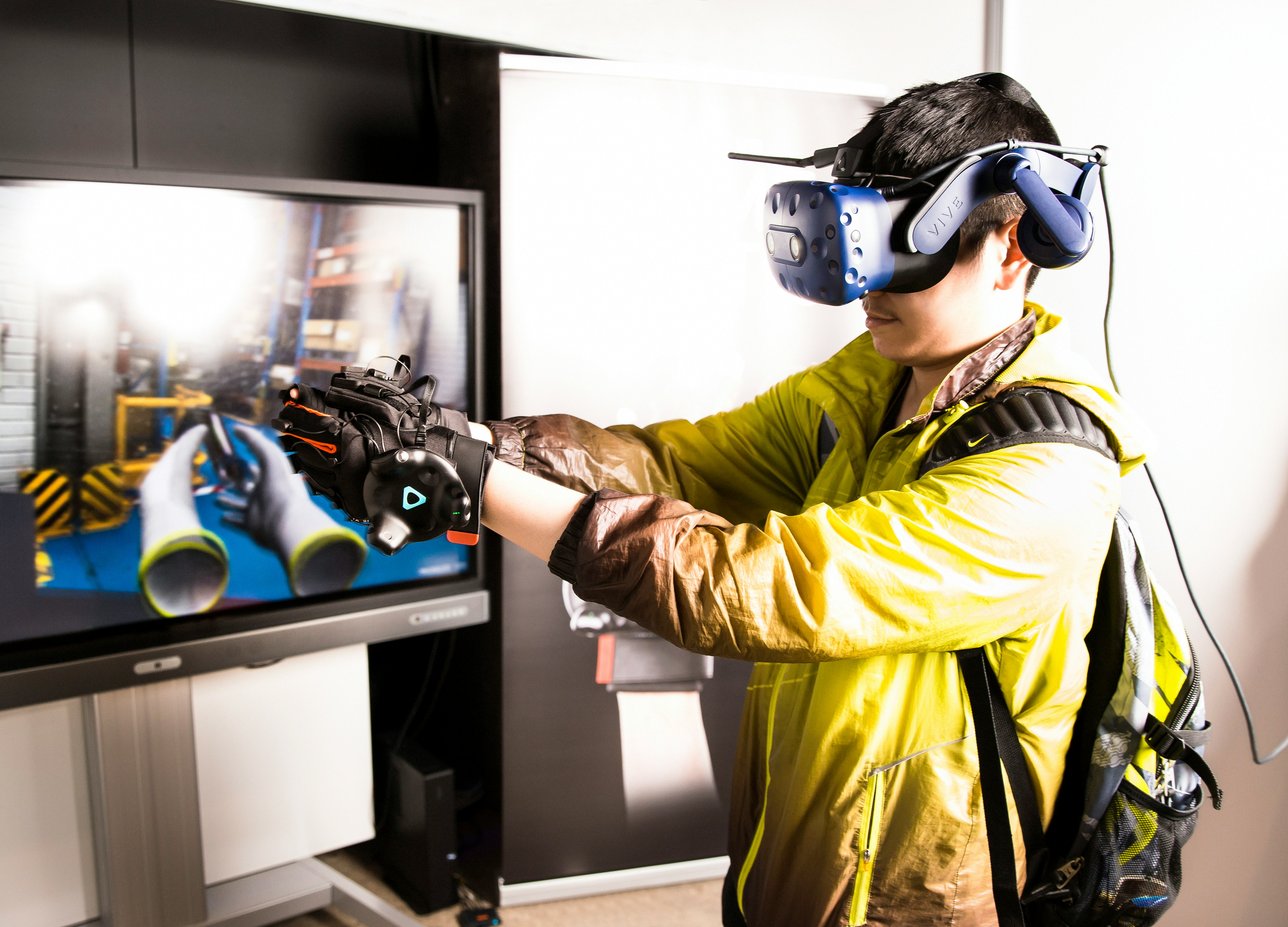
Technologies are there
Can we stop developing technologies? The answer is no.
Although many people are afraid of AI, we continue to invest even more in this field.
Because despite its drawbacks, it remains an extremely useful tool.
Here is the reason why I came up with this WiHaMen project.
If we can’t stop the development of technology, we should use it to create an environment where we can live with it wisely.
The number of remote workers have been increased due to its convenience.
This means that unless people are active enough to meet others, it won’t be easy for them to feel real social connections.
Some people might not even go outside at all and could end up taking almost no steps in a day.
That’s why I want to create a community centered around people who live close to each other.
If people can work comfortably in such an environment, others will naturally be drawn to join.
They’ll have opportunities to meet new people and find others who share the same hobbies — ideally active ones, like sports.
These approaches are beneficial not only for employees but also for employers.
If employees can develop a stronger sense of belonging through VR meetings, and then go out and play sports with their neighbors after work,
I’m confident that their work efficiency will improve — along with their physical and mental well-being.
The company doesn’t need to be large enough to manage all the offices; it can simply be one of the members of WiHaMen.
WiHaMenVR will help people communicate with their teammates while maintaining eye contact.
WiHaMenStory will help people find others who share their hobbies.
People will continue to use smartphones and VR headsets for entertainment — but not excessively.
I believe that deep down, people all know it’s much more enjoyable to have fun with real people, in nature.
We come from nature, and we are social beings.
If the environment is right, people will naturally find the best way toward a sustainable happy life.
I hope the WiHaMen Project will be the first step in that direction.